
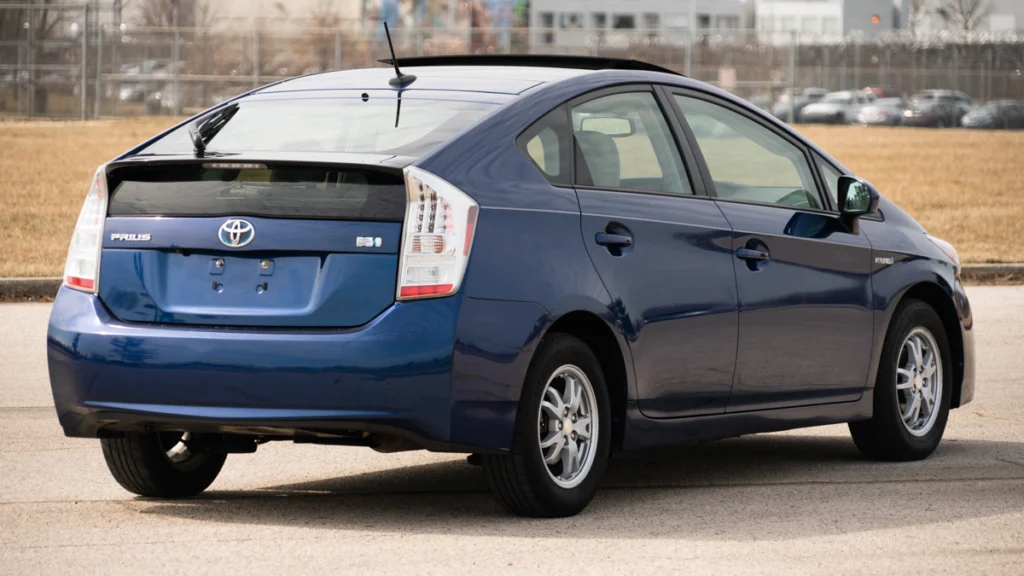
An “extended warranty” on a used car is usually a service contract — a separate product that pays for some repairs. It can be worth it on an older car with costly repairs, if the price is fair and the coverage is clear. Many buyers pay more than they ever get back. It’s always optional, and the price is negotiable.
What to check before you buy
- Exactly which parts are covered (list, not “major components”)
- Deductible per visit
- Who pays the repair shop — and can you choose the shop?
- Cancellation and refund terms
- Who backs it — a manufacturer or a third party
- Robocalls about your “expiring warranty”
- Exclusions for “wear and tear” on almost everything
- Required as a condition of your loan
- Price rolled into a loan without being shown
See the real cost if it’s financed
A $2,000 service contract added to a 48-month loan at 15% costs more than $2,000. Add it as an “add-on” here to see the real total:
Alternatives
- Put the same money in a savings account for repairs.
- Buy a certified pre-owned car with a factory warranty.
- Choose a model with a strong reliability record.
Quick questions
Is a dealer extended warranty required for a loan?
No. Lenders can’t require you to buy a service contract. If someone says it’s required, ask for that in writing.
Can I cancel an extended warranty?
Most service contracts can be canceled for a prorated refund. Read the cancellation terms.
What is the difference between a warranty and a service contract?
A warranty comes with the car from the maker or dealer at no extra cost. A service contract is an optional product you pay extra for.
Sources: FTC, “Auto Service Contracts and Warranties” · Magnuson-Moss Warranty Act, 15 U.S.C. 2301.